
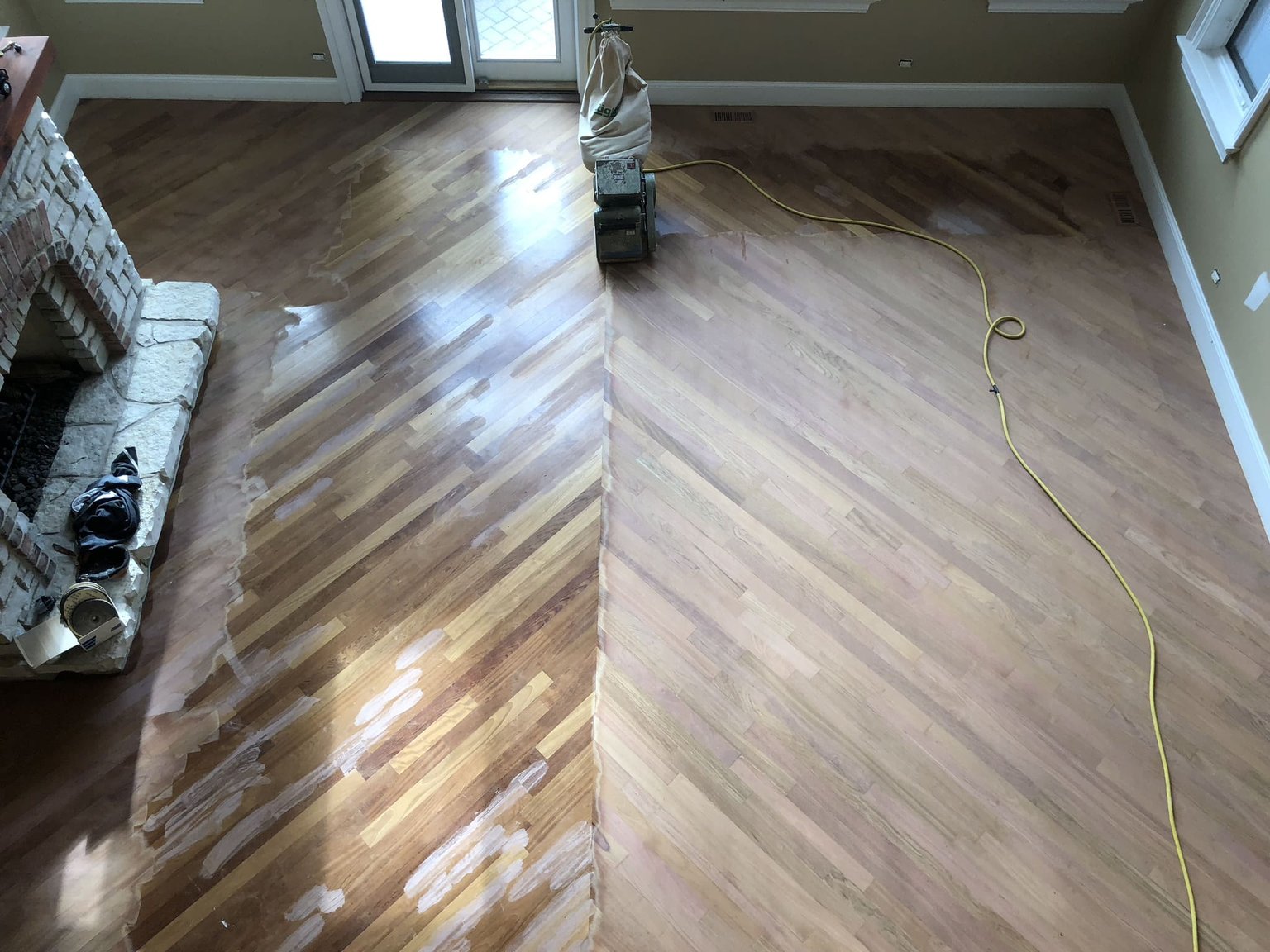
Commercial Hardwood Floor Refinishing Services in Dallas
Restore the natural beauty of your commercial hardwood floors with professional sanding, staining, and finishing services
Commercial Hardwood Floor Refinishing Services in Dallas
Restore the natural beauty of your commercial hardwood floors with professional sanding, staining, and finishing services
Hardwood floors represent significant investments in commercial properties, providing timeless beauty, durability, and value appreciation. However, years of foot traffic, furniture movement, and environmental exposure gradually wear away protective finishes and damage wood surfaces. Professional hardwood floor refinishing restores these valuable assets, often achieving dramatic transformations that extend floor life by decades while significantly enhancing appearance.
For Dallas commercial properties—from historic downtown buildings and professional offices to retail spaces and hospitality venues—hardwood floor refinishing provides a cost-effective alternative to replacement. Modern refinishing techniques, dust containment systems, and durable commercial-grade finishes deliver results that meet the demanding requirements of high-traffic commercial environments. Professional refinishing not only restores appearance but also protects wood substrates from moisture damage, staining, and accelerated wear, preserving your flooring investment for years of continued service.
Commercial Hardwood Floor Assessment and Evaluation
Professional refinishing begins with comprehensive floor assessment to determine appropriate restoration approaches. Experienced technicians evaluate wood species, construction type (solid vs. engineered), existing finish condition, wear patterns, moisture content, and subfloor conditions.
Wood species identification is critical—oak, maple, pine, walnut, and exotic species each have distinct hardness levels, grain patterns, and finishing characteristics that influence sanding approaches and stain absorption. Some woods, like maple and birch, are prone to blotching and require special preparation. Exotics may have oils that interfere with finish adhesion.
Floor construction assessment determines refinishing feasibility. Solid hardwood floors 3/4 inch thick can typically be sanded 4-6 times over their lifespan. Engineered floors have limited wear layer thickness and may accommodate only 1-2 sandings, or may require screening and recoating instead of full sanding. Subfloor moisture and building HVAC conditions affect wood movement and finish durability. Thorough assessment ensures appropriate recommendations that protect floor integrity while achieving desired results.
- -Accurate wood species and construction identification
- -Thickness and refinishing potential evaluation
- -Moisture content and building environment assessment
- -Damage and wear pattern analysis
- -Appropriate restoration method recommendations
Sanding Techniques for Different Wood Species
Sanding removes the existing finish and prepares wood surfaces for new coating application. Professional sanding follows systematic progression through increasingly fine grits to create smooth, uniform surfaces ready for staining and finishing.
The process typically begins with coarse grit paper (36-40 grit) to remove old finish and level uneven areas. Medium grits (60-80 grit) smooth scratches from coarse sanding and prepare for fine finishing. Final sanding with fine grits (100-120 grit) creates the smooth surface necessary for professional finish application. Each progression removes scratches from the previous grit while introducing finer marks that disappear under finish coats.
Edgers handle perimeter areas inaccessible to large sanding equipment. Detail sanders address corners, under cabinets, and tight spaces. Professional sanding techniques avoid common problems including drum marks (from improper machine operation), uneven surfaces, and swirl marks. For sensitive species or thin wear layers, alternative methods like screening may replace aggressive sanding. Dust collection systems capture the significant dust generated, maintaining air quality and reducing cleanup.
- -Progressive grit sanding sequence
- -Professional drum and edging equipment
- -Species-specific sanding approaches
- -Dust collection and containment systems
- -Detail sanding for complete coverage
Water-Based vs. Oil-Based Finishes for Commercial Use
Finish selection significantly impacts floor appearance, durability, and maintenance requirements. Understanding the characteristics of water-based and oil-based polyurethane finishes helps Dallas commercial property managers make informed choices.
Water-based polyurethane finishes have gained popularity for commercial applications due to faster drying times (2-4 hours between coats), lower VOC emissions, and non-yellowing clarity that preserves natural wood color. Modern water-based formulas offer durability approaching oil-based products while meeting environmental regulations and allowing faster return to service. Multiple coats (typically 3-4) build durable protection suitable for moderate commercial traffic.
Oil-based polyurethane provides traditional amber warmth that enriches wood appearance, particularly for oak and pine. These finishes typically offer superior durability and self-leveling properties that create smooth, professional results. However, longer drying times (8-24 hours between coats), stronger odors, and gradual ambering over time are considerations. For high-traffic commercial environments, oil-modified water-based hybrids combine benefits of both systems. Professional finishers recommend products based on traffic expectations, aesthetic preferences, and operational constraints.
- -Water-based low-VOC, fast-drying options
- -Oil-based durability and traditional appearance
- -Oil-modified hybrid systems
- -Matte, satin, semi-gloss, and gloss sheens
- -Commercial-grade wear layer options
Screen and Recoat Services for Maintenance
When hardwood floors show surface wear, scratches, and dulling but the finish layer remains substantially intact, screen and recoat (also called buff and coat) provides a cost-effective maintenance solution. This process abrades the existing finish surface to create adhesion for a new topcoat without removing all finish down to bare wood.
The screening process uses a floor buffer with fine abrasive screens (typically 120-150 grit) to lightly abrade the existing finish, removing surface scratches and creating microscopic texture for new finish bonding. This is far less aggressive than sanding and preserves the existing finish layers. After thorough cleaning to remove screening residue, a new coat of polyurethane is applied.
Screen and recoat restores luster, fills minor scratches, and extends time between full refinishing cycles. The process can typically be completed in one day with minimal disruption, compared to 3-5 days for full sanding and refinishing. This service is appropriate when floors show wear but finish isn't worn through to bare wood in high-traffic areas. Professional assessment determines whether screening is appropriate or if full refinishing is needed.
- -Cost-effective maintenance option
- -One-day completion with minimal disruption
- -Restores luster and fills minor scratches
- -Extends time between full refinishing
- -Preserves existing finish investment
Dust Containment Systems During Refinishing
Traditional hardwood floor sanding generates enormous quantities of fine dust that spreads throughout buildings, creating cleanup challenges and potential health hazards. Modern professional refinishing employs sophisticated dust containment systems that capture dust at its source, dramatically reducing airborne particles.
Truck-mounted and high-powered portable vacuum systems connect directly to sanding equipment, capturing dust before it enters the air. HEPA filtration ensures even fine particles are contained. Dust containment is particularly important in occupied commercial buildings where dust could damage electronics, contaminate inventory, or affect employee health.
Containment barriers using plastic sheeting and zipper doors isolate work areas from occupied spaces. Negative air pressure machines prevent dust migration. While no system captures 100% of dust, professional containment reduces airborne particles by 95% or more compared to uncontrolled sanding. For Dallas commercial facilities requiring minimal disruption, dustless refinishing technology makes the process viable even in sensitive environments like healthcare facilities, offices with active workstations, and retail spaces with adjacent merchandise.
- -Vacuum-connected sanding equipment
- -HEPA filtration systems
- -Containment barriers and isolation
- -Negative air pressure control
- -95%+ dust reduction vs. traditional sanding
Minimizing Business Disruption During Floor Work
Commercial floor refinishing requires careful planning to minimize operational impact. Professional services offer strategies to maintain business continuity while achieving quality refinishing results.
Scheduling flexibility allows work during evenings, weekends, or facility closure periods. Phased approaches complete sections sequentially, leaving portions of the facility operational. For large spaces, dividing projects into zones allows continued use of unaffected areas.
Fast-drying water-based finishes reduce cure times and allow faster return to service. Some commercial finishes achieve 80% cure within 24 hours, permitting light traffic while completing full curing. Strategic planning of furniture moving, computer equipment protection, and employee communication prevents operational surprises.
Dallas commercial property managers should discuss timeline requirements, traffic patterns, and operational constraints during project planning. Professional refinishers provide detailed schedules showing when areas must be vacated, when light traffic may resume, and when full use can return. Temporary protective coverings allow strategic access during curing periods when necessary.
- -Evening and weekend scheduling options
- -Phased project completion
- -Fast-cure finish systems
- -Traffic pattern planning
- -Temporary protection for strategic access
Protecting Floors After Refinishing
Proper post-refinishing care extends the life of your restored floors and protects your investment. Professional services provide specific guidance for the curing period and ongoing maintenance.
During the initial curing period (typically 3-7 days depending on finish type), restrictions include: no furniture placement for 24-48 hours, no area rugs for 2 weeks (to allow full air curing), minimal traffic wearing socks only, and no cleaning with water or chemicals. These precautions ensure finish hardens properly for maximum durability.
Long-term maintenance includes: regular dust mopping to remove abrasive particles, prompt spill cleanup, use of walk-off mats at entrances, felt pads under furniture legs, and appropriate cleaning products. Commercial high-traffic areas benefit from periodic screen and recoat maintenance before wear reaches bare wood. Humidity control between 35-55% prevents wood movement that stresses finish adhesion. Professional maintenance programs provide scheduled care that extends refinishing intervals and maintains appearance between restoration cycles.
- -Specific curing period guidance
- -Long-term maintenance recommendations
- -Appropriate cleaning product selection
- -Scheduled maintenance programs
- -Humidity control guidance
Frequently Asked Questions
How long does commercial hardwood floor refinishing take?
Project duration depends on floor size, condition, finish type, and cure requirements. Typical commercial projects require 3-5 days: Day 1 for sanding and preparation, Days 2-3 for staining (if desired) and finish application with drying between coats, and Days 4-5 for final cure before furniture replacement and normal use. Water-based finishes allow faster completion (often 2-3 days) due to quicker drying times. Large commercial spaces may be completed in phases to minimize operational impact. Dallas humidity and temperature conditions affect drying times, with professional refinishers adjusting schedules accordingly. Detailed timeline estimates are provided during project consultation.
What is the difference between refinishing and screening?
Refinishing (sanding) removes all existing finish down to bare wood, then applies new stain (optional) and multiple finish coats. This process addresses deep scratches, wear patterns, finish deterioration, and color changes. Screening (buff and coat) lightly abrades only the top layer of existing finish, then applies one new topcoat. Screening restores luster and fills minor surface scratches but cannot address deep damage, stain changes, or finish worn through to bare wood. Refinishing is needed every 10-20 years (depending on traffic), while screening can be performed every 2-5 years as maintenance. Professional assessment determines which process is appropriate based on floor condition.
How often should commercial hardwood floors be refinished?
Refinishing frequency depends on traffic volume, maintenance practices, and finish wear. Typical commercial environments require full refinishing every 10-15 years. High-traffic areas like entryways and corridors may need attention sooner, while perimeter areas often last longer. Regular maintenance including screen and recoat services extends intervals between full refinishing. Signs that refinishing is needed include: finish worn through to bare wood in traffic paths, deep scratches that penetrate finish, widespread staining or discoloration, water damage, or desire to change stain color. Professional assessment evaluates whether floors need refinishing or whether maintenance screening is sufficient.
Can all scratches and damage be removed during refinishing?
Most surface scratches and wear are eliminated during sanding, which removes approximately 1/32 inch of wood surface along with old finish. However, certain damage may persist: deep gouges that penetrate below sanding depth, burns or chemical damage affecting wood fibers, areas with repeated water damage causing wood fiber deterioration, and structural issues like warped or cupped boards. Some stains from pet urine, rust, or water damage may penetrate too deeply for complete removal. During pre-project assessment, professional refinishers identify damage that will persist and discuss options including board replacement, stain matching, or accepting character marks as part of floor history. Complete transparency about expected results prevents disappointment.
What type of finish is most durable for commercial spaces?
For high-traffic commercial environments, oil-modified polyurethane and high-quality water-based polyurethane provide the best durability. Oil-modified finishes offer excellent self-leveling, amber warmth, and proven longevity, though with longer drying times and stronger odors. Premium water-based finishes (particularly two-component catalyzed systems) now approach oil-based durability while offering faster drying, lower odor, and non-yellowing clarity. For extremely high-traffic areas, commercial-grade finishes designed for gymnasiums and sports floors provide maximum durability. Aluminum oxide-enhanced finishes add ceramic particles for enhanced scratch resistance. Professional refinishers recommend specific products based on traffic expectations, aesthetic preferences, and operational constraints including drying time and odor sensitivity.
Service Areas
We proudly serve businesses throughout the Dallas-Fort Worth metroplex, including: