
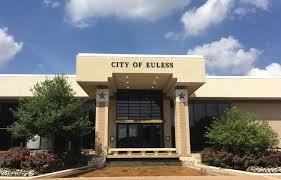
Commercial Cleaning Services in Euless, TX
Dependable commercial cleaning services for Euless businesses. We offer comprehensive janitorial solutions for office buildings, retail locations, industrial facilities, and hospitality properties.

DFW Airport Corridor Commercial Cleaning in Euless
The Airport Freeway (SH-183) corridor through Euless is lined with the commercial businesses that serve DFW Airport operations and the business traveler traffic that the world's third-busiest airport generates: full-service hotels, select-service hotels, rental car facilities, logistics warehouses and freight forwarder operations, aviation support businesses, and the restaurant and retail that serves both the airport workforce and the travelers who access DFW from the mid-cities market. Cleaning in this corridor must accommodate the 24-hour operational reality of airport-adjacent businesses: hotels check in guests around the clock, logistics operations run three shifts, and restaurants serve airport employee meals at all hours. Our Euless Airport Freeway cleaning programs are designed for this always-open commercial environment, with flexible scheduling and crew deployment systems that can service facilities at any hour without the premium pricing that emergency or after-hours service typically carries.
Euless Hotel and Hospitality Cleaning
Euless's hotel inventory — concentrated along Airport Freeway and the Ira E. Woods Avenue corridor — serves both the corporate traveler market generated by the surrounding Hurst-Euless-Bedford business community and the airport-oriented travel market that DFW proximity generates. Hotels in Euless range from limited-service extended-stay properties serving the corporate relocation and long-term business travel market to full-service properties with restaurant, fitness, and meeting facilities serving the convention and events market. Commercial cleaning for Euless hotels focuses on the non-housekeeping areas of each property: administrative offices, management areas, back-of-house corridors and employee areas, food and beverage preparation spaces, fitness centers, and the event and meeting facilities that full-service hotels maintain for their business and social event clientele.
Euless Corporate Office and Professional Services Cleaning
Euless's corporate office sector — anchored by the North East Mall area commercial development and the office parks along Ira E. Woods Avenue and Midway Drive — serves the Hurst-Euless-Bedford community's professional and service economy alongside regional operations for businesses serving the broader mid-cities market. Professional offices in Euless include insurance agencies, financial advisory practices, healthcare services businesses, and technology services firms that benefit from the mid-cities location between Dallas and Fort Worth. Our Euless office cleaning programs serve the full range of professional office environments, from small single-suite practices on weekly or bi-weekly service schedules to the larger corporate offices in HEB-area commercial parks that require nightly thorough cleaning.
Medical and Healthcare Facility Cleaning in Euless
The Euless healthcare sector is served by the medical facilities of the HEB community — particularly Texas Health HEB Hospital on Precinct Line Road in Bedford and the Medical City HEB system — as well as the specialist practices, urgent care centers, and primary care clinics that serve the mid-cities residential population from Euless locations. Medical facility cleaning in Euless follows the infection control protocols appropriate for each facility type, from the outpatient surgical centers that require sterile-adjacent cleaning standards to the primary care clinics where comprehensive surface disinfection and restroom sanitization are the primary infection control concerns. Our Euless healthcare cleaning teams are trained in healthcare environmental services standards and carry the documentation of training and product certifications that healthcare facility operators require.
Euless Retail and Restaurant Cleaning
Euless's retail sector serves both its local residential population and the significant commercial traffic from the Airport Freeway corridor. North East Mall on Airport Freeway serves as the primary regional retail destination for the HEB community, with major department store anchors, specialty retail, and food court facilities that generate multi-component cleaning requirements similar to other major DFW regional malls. The restaurant community along Airport Freeway and in the neighborhood commercial nodes throughout Euless ranges from national chains serving the airport corridor traffic to the independent restaurants and international cuisine specialists that serve Euless's notably diverse community. Commercial kitchen cleaning for Euless restaurants follows Tarrant County Public Health requirements applicable to the city's location in Tarrant County.
Services Available in Euless
Why Euless Businesses Choose Us
- -Knowledge of the Euless area
- -Fully trained and background-checked cleaning professionals
- -Customized cleaning plans tailored to your facility's needs
- -Flexible scheduling including evenings and weekends
- -Eco-friendly cleaning products and sustainable practices
- -Quality assurance with regular inspections and feedback
- -Responsive customer service and quick issue resolution
locations planning guide
How to plan euless tx for a commercial facility in Dallas
Janitorial Services of Dallas uses the following planning framework to help property managers and business owners turn a request for recurring janitorial and facility maintenance into a scope that can be walked, priced, scheduled, and checked. It is designed for practical comparison and does not replace site-specific safety, material, vendor, or regulatory requirements.
Define the Work Before Pricing It
The strongest euless tx plan names measurable outcomes rather than relying on broad phrases such as “keep it clean.” Examples include streak-free entry glass, stocked and odor-controlled restrooms, debris-free floor edges, sanitized touchpoints, and completion before a stated opening time. Change orders are easier to avoid when the initial euless tx proposal records current conditions. Photographs, floor-type notes, access limitations, and known buildup give both sides a shared baseline for deciding what belongs in startup work and what belongs in recurring maintenance. Square footage alone does not define the effort required for euless tx. Occupancy, floor materials, restroom count, food or production activity, security procedures, furniture density, and the time available between closing and reopening all affect labor and equipment planning. A commercial scope should distinguish appearance cleaning from hygiene work and asset maintenance. Dust removal, disinfection, floor finish care, glass restoration, and debris control solve different problems, use different processes, and often belong on different frequencies.
Build the Schedule Around Operations
Recurring euless tx should include planned periodic work instead of waiting for visible deterioration. Rotating detail tasks through monthly or quarterly cycles protects floors, fixtures, glass, vents, edges, and other zones that routine visits cannot address completely. A dependable plan includes a method for reporting schedule changes. The facility contact should know whom to notify, how much lead time is needed, and how missed or added visits affect the monthly program before an urgent request arises. For Dallas–Fort Worth properties, travel windows and building access can materially affect the usable service period. A realistic schedule accounts for security handoffs and operating deadlines rather than promising a start time that leaves too little time to finish. A nightly, daily, weekly, or project schedule changes more than visit frequency. It changes how much soil accumulates between visits, which tools are appropriate, how long each visit takes, and whether periodic deep work must be layered into the agreement.
Make Quality Control Observable
A quality program should explain how corrections are handled. The facility contact needs a clear response path, a reasonable correction window, and confirmation when the issue is closed rather than a vague assurance that someone will look into it. Useful performance conversations separate an isolated miss from a recurring process failure. One unemptied bin requires correction; repeated misses in the same wing may indicate unclear zoning, inadequate time, or a checklist that does not match the building. Inspection frequency should reflect the complexity of the account. A small weekly office may need periodic supervisory review, while a high-traffic or regulated environment may require documented checks several times each week. The account review should examine service requests, inspection findings, occupancy changes, supply use, and upcoming facility events. That review keeps the program aligned with the property instead of allowing an old scope to continue after the building changes.
Match Methods to Materials and Risk
Product selection should match the task and the occupied environment. Cleaning, degreasing, disinfecting, descaling, and finishing are different functions; using one product for every surface can leave residue, reduce effectiveness, or shorten asset life. Color-coded cloths, pads, and tools can reduce cross-use between restrooms, food areas, workspaces, and public surfaces. The exact system matters less than having a documented method the crew can follow consistently. A material-safety discussion should include storage and labeling. Facility contacts should know where products and equipment will be kept, which rooms remain accessible to occupants, and how spills or damaged containers are reported. Equipment should be selected for the facility rather than for convenience. HEPA filtration, low-moisture extraction, auto-scrubbing, water-fed poles, pressure equipment, or detail tools may be appropriate depending on access, surface, soil, and reopening time.
Use the Walkthrough to Build the Scope
Discuss current service honestly during the walkthrough. What works should be preserved, what fails should be corrected, and any unrealistic expectation should be resolved before it becomes a recurring dispute after startup. Bring a current floor plan, operating schedule, and list of known problem areas to the walkthrough. These details help Janitorial Services of Dallas organize euless tx around actual conditions instead of estimating from square footage and a short phone description. A useful walkthrough ends with next steps: who will receive the written scope, who can approve revisions, whether a second technical visit is required, and what information is still needed before pricing is final. Access and safety constraints should be demonstrated, not merely mentioned. Alarm panels, loading doors, restricted areas, waste points, water access, electrical access, and equipment storage can change the labor plan materially.
Put the Service Agreement in Writing
A commercial cleaning agreement should attach or reproduce the approved scope, frequency, service window, periodic task calendar, supply responsibilities, access rules, and communication contacts. The written detail protects both the property and the service team. Pricing should state whether it is monthly, per visit, hourly, or project based and should identify the assumptions behind it. Changes in occupied square footage, frequency, access time, or task scope need an agreed method for repricing. The agreement should explain how additional work is approved. Emergency cleanup, event service, construction dust, floor restoration, and extra porter coverage should not be performed or billed through an informal request that no one can later verify. A structured startup period gives both sides a chance to refine the scope. Early inspections and a scheduled review after the first few visits can resolve workload assumptions before they become embedded in a long-term program.
Plan for Dallas Facility Conditions
Dallas facilities contend with long cooling seasons, tracked-in dust, pollen, severe-weather debris, and rapid development activity. Those conditions can influence entry cleaning, high dusting, floor care, glass maintenance, and the timing of periodic deep work. Properties across Dallas–Fort Worth vary widely in access, occupancy, and operating schedule. A downtown office, suburban medical suite, industrial building, retail center, and hospitality property should not receive the same labor plan simply because their square footage is similar. Storm seasons can create short-notice needs around entrances, exterior glass, tracked moisture, construction material, and debris. A recurring account should know how to request work outside the normal scope and whether priority response is available. Heat and air-conditioning runtime can increase dust movement through vents, ledges, high surfaces, and return-air zones. Periodic detail work should be scheduled before accumulation becomes visible or begins cycling back into occupied areas.
Compare Providers on More Than Price
Evaluate communication alongside cleaning technique. A facility manager needs timely updates, a named account contact, documented service requests, and a reliable process for resolving issues without repeatedly explaining the account. The final decision should align service frequency with the facility’s real use. Buying fewer visits than the property needs creates visible decline; buying unnecessary frequency wastes budget that could be directed to periodic or high-priority work. References are most useful when the compared account resembles the property in size, use, and schedule. A successful small office account does not by itself demonstrate the systems needed for a large, high-traffic, or specialized facility. Review the proposal for vague language. Terms such as “as needed,” “regularly,” and “periodically” should be converted into frequencies, triggers, or approval rules before the agreement is signed.
Start, Measure, and Adjust the Program
After the first service cycle, compare actual labor and facility condition with the proposal assumptions. If the original scope was inaccurate, adjust it openly rather than expecting quality to survive an unrealistic workload. Crew orientation should cover the approved scope, building access, material cautions, waste handling, supply storage, security, and the communication path for exceptions. Written information is more dependable than verbal instructions passed between shifts. Closeout reporting should match the account’s complexity. A small property may need simple completion confirmation; a larger or specialized account may need inspection notes, issue photographs, supply alerts, and a record of periodic tasks. Task sequencing affects results. High dusting should precede lower-surface cleaning, dry soil removal should precede wet work, and areas with restricted reopening times should be completed early enough to dry or ventilate.
Bring to the walkthrough
- Approximate square footage, floor plan, and operating hours
- Current frequency, known complaints, and priority areas
- Flooring and surface notes, restricted rooms, and access rules
- Desired start date, budget constraints, and approval contacts
Expect in a written proposal
- Task scope by zone and visit frequency
- Service windows, periodic work, and supply responsibility
- Quality checks, communication, and correction procedures
- Pricing assumptions, exclusions, and change-order rules