Comprehensive Facility Deep Cleaning in Dallas
Transform your commercial environment with thorough cleaning that addresses every surface, corner, and detail
Comprehensive Facility Deep Cleaning in Dallas
Transform your commercial environment with thorough cleaning that addresses every surface, corner, and detail
Routine cleaning maintains daily standards, but over time, commercial facilities accumulate soil, dust, and contamination in areas that standard maintenance cannot address. Comprehensive facility deep cleaning provides the intensive, detailed attention that restores environments to their highest condition. For Dallas businesses preparing for inspections, addressing seasonal cleaning needs, recovering from construction, or simply maintaining excellence, deep cleaning delivers transformative results.
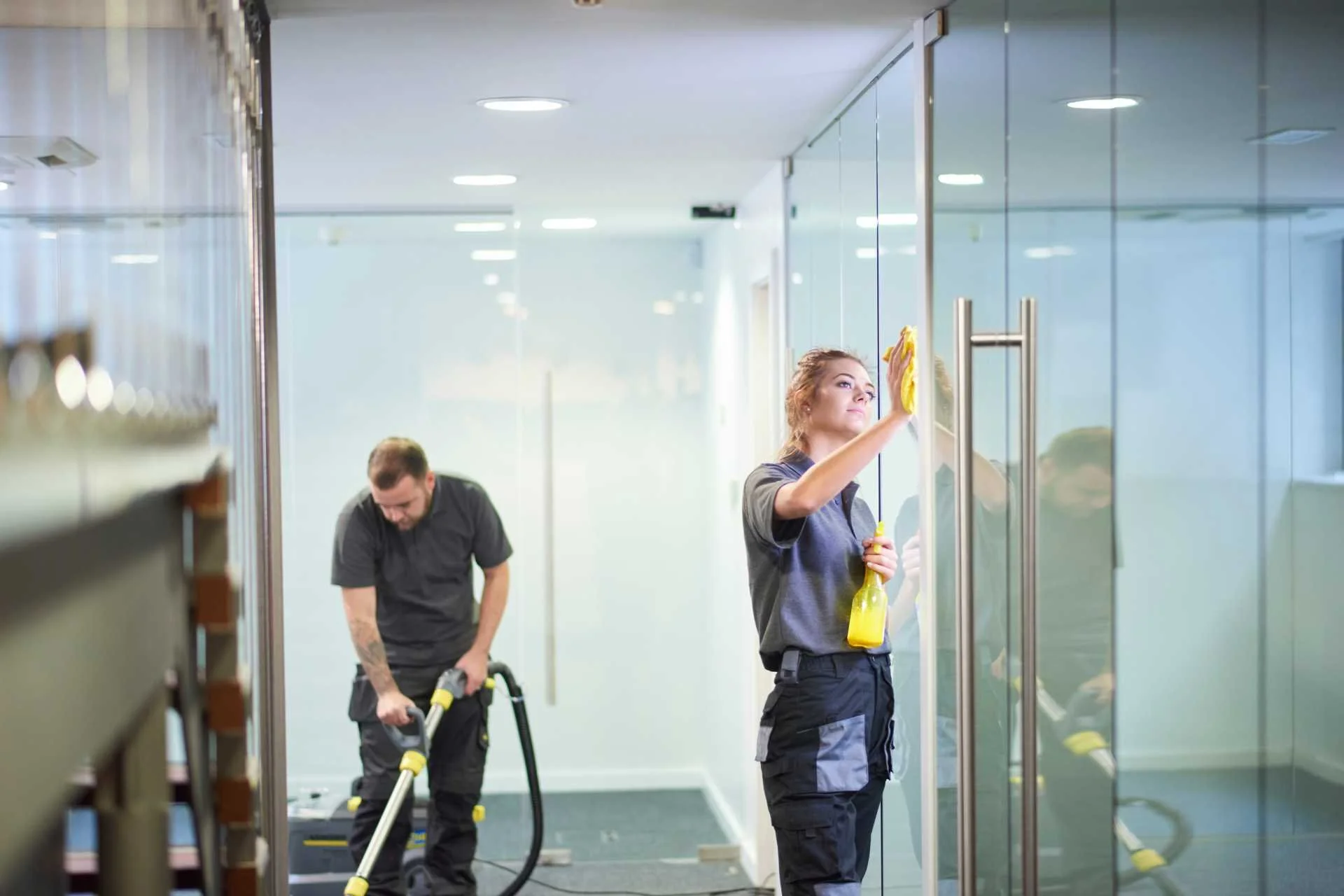
Unlike routine janitorial services focused on visible surfaces and daily maintenance, comprehensive deep cleaning systematically addresses every element of your facility. From high ceilings and light fixtures to baseboards and floor crevices, professional deep cleaning reaches the areas where dust, allergens, and soil accumulate undisturbed. This systematic approach improves appearance, enhances indoor air quality, extends asset life, and creates the pristine environment that reflects your professional standards. For Dallas commercial facilities, where first impressions and occupant health directly impact business success, periodic deep cleaning is an essential investment.
What Constitutes a Comprehensive Deep Clean
Comprehensive deep cleaning extends far beyond routine maintenance to address accumulated contamination throughout the facility. Understanding the scope helps Dallas facility managers appreciate the value and results of professional deep cleaning services.
Deep cleaning addresses both horizontal and vertical surfaces. Horizontal surfaces including floors, countertops, and furniture receive intensive attention beyond daily maintenance. Vertical surfaces—walls, partitions, doors, and windows—accumulate dust and soil that routine cleaning misses. Overhead areas including ceilings, light fixtures, vents, and pipes harbor significant dust deposits affecting air quality.
Detailed elements distinguish deep cleaning from routine service: grout lines and tile crevices; window tracks and frames; baseboards and molding; door frames and hardware; switch plates and outlet covers; HVAC vents and returns; and behind and beneath furniture and equipment. These areas collect soil over months and years, gradually dulling appearance and harboring allergens.
Equipment and methodology differentiate deep cleaning. High-reach equipment accesses ceilings and high fixtures. Specialized tools clean crevices and detailed areas. Heavy-duty equipment addresses floor restoration needs. Professional-strength products remove accumulated soils that consumer-grade cleaners cannot touch. The combination of thorough scope and professional capability delivers results impossible through routine maintenance alone.
- -Complete horizontal and vertical surface attention
- -Overhead and detailed area cleaning
- -Professional equipment and methodology
- -Accumulated soil removal
- -Restoration beyond maintenance capabilities
Systematic Approach to Whole-Facility Cleaning
Professional deep cleaning follows systematic methodologies ensuring complete coverage without redundancy or omission. This organized approach maximizes efficiency while guaranteeing thoroughness.
The top-down cleaning sequence prevents recontamination of cleaned areas. High dusting and overhead cleaning occurs first, allowing dislodged debris to settle on lower surfaces before they are cleaned. Wall washing and vertical surfaces follow. Detail cleaning of fixtures, frames, and hardware comes next. Floor cleaning concludes the process, removing all accumulated debris.
Zone-based organization divides large facilities into manageable sections, ensuring systematic progression without missing areas. Each zone receives complete attention before moving to the next, preventing the oversight that occurs when jumping between distant locations. Color-coded equipment and supplies prevent cross-contamination between different area types (restrooms, food service, general office).
Documentation and quality checkpoints verify completion. Supervisory inspection at zone completion ensures standards are met before proceeding. Photo documentation records condition before and after. Final walkthrough with facility management confirms satisfaction and addresses any remaining concerns. This systematic discipline delivers consistent, comprehensive results regardless of facility size or complexity.
- -Top-down cleaning sequence
- -Zone-based organization for complete coverage
- -Color-coded supplies preventing cross-contamination
- -Quality checkpoints and documentation
- -Final verification walkthrough
High and Low Dusting Including Vents and Fixtures
Overhead areas accumulate surprising quantities of dust and debris that significantly impact indoor air quality and facility appearance. Comprehensive deep cleaning addresses these often-neglected zones.
High dusting targets areas above normal reach: ceiling tiles and grids; air vents, diffusers, and returns; light fixtures and lenses; ceiling-mounted equipment; pipe runs and conduits; sprinkler heads; and architectural details. Extension poles with microfiber dusters, vacuums with high-reach attachments, and ladders (where appropriate) access these areas. Dust capture rather than dispersal prevents recontamination.
Low dusting addresses baseboards, floor-level fixtures, and areas beneath furniture. Baseboards and floor molding collect dust and scuffs that mopping misses. Floor vents and returns accumulate debris. Furniture bases, file cabinets, and equipment housings harbor dust bunnies and soil. These areas require detailed attention with appropriate tools.
Ventilation system cleaning merits particular attention. HVAC vents and returns circulate air throughout the facility—when these are dusty, that dust distributes into occupied spaces. Removing vent covers for detailed cleaning, vacuuming duct openings, and cleaning return air pathways improves air quality immediately. Light fixture cleaning improves illumination and appearance while removing dust that affects air quality when disturbed.
- -Ceiling and overhead area dusting
- -Ventilation system vent and return cleaning
- -Light fixture and lens cleaning
- -Baseboard and floor-level detail cleaning
- -Furniture and equipment base cleaning
Wall Washing and Surface Detailing
Walls represent the largest vertical surfaces in most facilities, accumulating dust, oils, marks, and atmospheric soil that gradually dull appearance. Professional wall washing restores finish and brightness throughout your facility.
Different wall surfaces require specific approaches. Painted drywall tolerates damp washing with appropriate cleaners. Vinyl wall covering accepts more aggressive cleaning. Tile and wash-down surfaces accommodate heavy-duty methods. Fabric and specialty coverings require careful testing and gentle techniques. Professional assessment identifies appropriate methods for each surface type.
The wall washing process addresses not just large surfaces but also detailed areas often missed: light switches and outlet plates; door frames and hardware; chair rails and molding; wall-mounted fixtures and dispensers; partition surfaces; and kick plates and push plates. These high-touch and detailed areas accumulate soil disproportionate to their size.
Spot cleaning removes marks, scuffs, and stains without requiring complete wall washing where not needed. Magic eraser-type products, appropriate solvents for specific stain types, and careful technique remove most marks without damaging finish. Wall washing dramatically brightens spaces, removes allergens, and creates the appearance of fresh paint at a fraction of the cost.
- -Complete vertical surface restoration
- -Surface-appropriate cleaning methods
- -Detail attention to fixtures and plates
- -Spot treatment for marks and stains
- -Brightened appearance and improved air quality
Floor-to-Ceiling Sanitization Protocols
Deep cleaning includes thorough sanitization, not merely soil removal. Comprehensive sanitization protocols address the biological contamination that routine cleaning may not eliminate.
High-touch surface disinfection focuses on frequent contact points: door handles and push plates; light switches and elevator buttons; handrails and grab bars; telephone and shared equipment; restroom fixtures; and break room appliances. EPA-registered disinfectants with appropriate dwell times ensure pathogen elimination.
Restroom and kitchen sanitization addresses areas where bacteria, viruses, and fungi proliferate. Beyond visible cleaning, sanitization targets drains, grout lines, appliance interiors, and hidden areas where contamination accumulates. Food contact surfaces require food-safe sanitizers; general surfaces use hospital-grade disinfectants.
Floor sanitization removes not just visible soil but biological contamination tracked throughout facilities. Appropriate disinfectants for flooring materials sanitize without damage. Carpet extraction removes deep allergens and organisms. Hard floor sanitization creates hygienic surfaces, particularly important in healthcare, food service, and childcare settings. Comprehensive sanitization supports occupant health and meets standards for sensitive environments.
- -High-touch surface disinfection
- -Restroom and kitchen deep sanitization
- -Drain and hidden area treatment
- -Floor and carpet sanitization
- -Appropriate disinfectant selection by surface
Move-In and Move-Out Deep Cleaning Services
Transition periods between tenants or occupants require intensive cleaning to prepare spaces for new use. Professional move-in/move-out deep cleaning ensures spaces meet the highest standards for incoming occupants.
Move-out cleaning addresses the accumulated soil and damage from previous occupancy. This includes: detailed cleaning of all fixtures, appliances, and built-ins; carpet cleaning and stain removal; hard floor restoration; wall washing and mark removal; window and track cleaning; cabinet and closet interiors; and odor elimination. The goal is returning the space to market-ready condition.
Move-in cleaning prepares spaces for new occupants, addressing any remaining issues from previous use or vacancy periods. This includes: dust removal from vacant periods; construction cleanup if renovations occurred; sanitization for health protection; and detailed attention creating a fresh, welcoming environment for new occupants.
For commercial real estate, professional transition cleaning protects asset value, reduces vacancy periods, and supports tenant satisfaction. Documentation including photos provides condition records for lease compliance. Dallas commercial properties benefit from rapid, thorough transition cleaning minimizing downtime between occupants.
- -Complete transition cleaning for vacancy periods
- -Appliance and fixture detailing
- -Carpet and floor restoration
- -Odor elimination and sanitization
- -Condition documentation
Post-Construction Cleanup and Debris Removal
Construction and renovation projects, however carefully managed, leave behind dust, debris, and residues that require professional cleanup. Post-construction deep cleaning transforms construction sites into move-ready spaces.
Construction dust is particularly pervasive and problematic. Drywall dust, sawdust, concrete dust, and insulation particles infiltrate every opening, coating surfaces throughout the facility. This fine dust requires repeated cleaning—initial rough removal followed by detailed cleaning as dust continues to settle. HVAC system cleaning is essential following construction, as dust accumulates in ductwork and distributes throughout the building when systems operate.
Debris removal addresses construction remnants: tape and protective film removal; adhesive residue cleaning; paint overspray removal; grout haze from tile work; and disposal of construction materials left behind. Detail cleaning includes: window and track cleaning removing construction residue; fixture and hardware polishing; floor restoration addressing construction traffic damage; and wall washing removing dust and marks.
For Dallas facilities completing renovations, professional post-construction cleaning allows immediate occupancy without lingering dust issues affecting air quality and appearance. Rapid response teams address tight completion schedules common in commercial construction projects.
- -Construction dust removal and detail cleaning
- -HVAC system cleaning post-construction
- -Debris and residue removal
- -Floor and fixture restoration
- -Rapid response for tight schedules
Frequently Asked Questions
How long does a comprehensive deep clean typically take?
Deep cleaning duration depends on facility size, current condition, scope of work, and operational constraints. Small offices (under 5,000 sq ft) may require 1-2 days. Medium facilities (10,000-25,000 sq ft) typically need 2-4 days. Large commercial buildings may require a week or more, often completed in phases to minimize operational disruption. Factors affecting timeline include: level of accumulated soil requiring intensive attention; need for floor restoration or carpet extraction; high-ceiling areas requiring specialized equipment; and coordination with facility operations. Professional services provide detailed timelines during project planning. Many Dallas facilities schedule deep cleaning during weekends, holidays, or shutdown periods to avoid operational impact. Phased approaches allow continued facility use during extended deep cleaning projects.
What areas are often overlooked in regular cleaning?
Regular maintenance naturally focuses on high-visibility, high-traffic areas, leaving numerous zones underserved. Commonly overlooked areas include: ceiling vents, returns, and diffusers; light fixtures and lenses; baseboards, floor molding, and door frames; window tracks, frames, and sills; wall surfaces above hand height; behind and beneath furniture and equipment; cabinet and closet interiors; switch plates and outlet covers; door hardware and push plates; grout lines and tile crevices; HVAC registers and duct openings; and ceiling tiles and grids. Deep cleaning systematically addresses these areas, removing accumulated dust and soil that affects air quality and appearance. Professional services use checklists ensuring comprehensive coverage without oversight.
How often should a facility receive deep cleaning?
Deep cleaning frequency depends on facility type, traffic, environmental conditions, and appearance standards. General office environments typically benefit from annual comprehensive deep cleaning. High-traffic facilities including retail, healthcare, and food service may need semi-annual service. Industrial and manufacturing environments with heavy soil generation may require quarterly deep cleaning. Dallas climate factors including dust and pollen may warrant more frequent service for some facilities. Seasonal deep cleaning before holidays or special events maintains peak appearance. Post-construction or renovation deep cleaning addresses unique contamination. Many facilities establish annual deep cleaning programs supplemented by quarterly or semi-annual maintenance deep cleaning of specific areas. Professional assessment recommends appropriate intervals based on your facility's specific conditions and needs.
Do you clean inside appliances and equipment?
Yes, comprehensive deep cleaning includes appliance and equipment interiors where accessible and appropriate. Kitchen appliance cleaning includes: refrigerator and freezer interior sanitization and deodorization; oven and range deep cleaning including interior cavities; microwave interior and exterior cleaning; dishwasher interior and filter cleaning; and coffee maker and water cooler sanitization. Office equipment cleaning includes: copier and printer exterior and accessible interior areas; break room appliance detailing; and vending machine exterior sanitization. General facility equipment includes: HVAC vent covers and returns; light fixture lenses and housings; and window treatment dusting and cleaning. Some specialized or sensitive equipment may be excluded based on manufacturer restrictions or facility management direction. Specific equipment cleaning requirements should be discussed during project scope definition to ensure appropriate attention.
Can deep cleaning be scheduled outside business hours?
Yes, professional deep cleaning services offer flexible scheduling to minimize operational disruption. Evening and overnight schedules allow daytime business operations to continue normally. Weekend service provides extended uninterrupted time for intensive work. Holiday periods offer opportunities for comprehensive cleaning during extended closures. Phased scheduling addresses large facilities in sections, maintaining partial operations throughout the project. For 24/7 operations, coordination with shift supervisors allows cleaning of specific areas during low-activity periods. Dallas facilities benefit from service providers understanding local business patterns and building access requirements. Communication protocols ensure security and safety during after-hours work. Scheduling flexibility is a key advantage of professional deep cleaning services—discuss your operational constraints during consultation to develop an appropriate schedule.
Service Areas
We proudly serve businesses throughout the Dallas-Fort Worth metroplex, including: