Biohazard and Trauma Scene Cleanup in Dallas
Compassionate, professional remediation services that restore safety and dignity to affected spaces
Biohazard and Trauma Scene Cleanup in Dallas
Compassionate, professional remediation services that restore safety and dignity to affected spaces
Biohazard situations including trauma scenes, accidents, and biological contamination require specialized response beyond standard cleaning capabilities. These sensitive situations demand not only technical expertise in pathogen control and hazardous material handling but also compassion, discretion, and respect for those affected. For Dallas businesses, property managers, and families facing biohazard cleanup needs, professional services provide the critical response that protects health, ensures compliance, and restores spaces to safe condition.
Professional biohazard cleanup technicians are trained and certified in OSHA bloodborne pathogen standards, proper use of personal protective equipment, and safe remediation procedures. They understand the serious health risks posed by bloodborne pathogens including hepatitis B and C, HIV, and other infectious agents. Using hospital-grade disinfectants, specialized equipment, and proven protocols, professional biohazard cleanup eliminates contamination while providing documentation for insurance and regulatory purposes. For Dallas facilities, professional biohazard response ensures that traumatic situations are handled with expertise and sensitivity, allowing normal operations to resume safely.
OSHA Bloodborne Pathogens Standard Compliance
The OSHA Bloodborne Pathogens Standard (29 CFR 1910.1030) establishes requirements for employers and cleanup professionals handling materials potentially contaminated with blood or other potentially infectious materials (OPIM). Professional biohazard cleanup services maintain strict compliance with these regulations.
The standard requires an exposure control plan identifying job classifications with occupational exposure and procedures for handling incidents. Engineering controls including sharps containers and proper equipment minimize exposure risks. Work practice controls specify safe handling procedures, proper techniques, and prohibited practices. Personal protective equipment requirements include appropriate barriers based on exposure potential.
Training requirements mandate initial and annual refresher training covering bloodborne pathogen risks, exposure control plans, PPE use, and emergency procedures. Hepatitis B vaccination must be offered to employees with occupational exposure. Medical evaluation and follow-up procedures address any exposure incidents.
For Dallas biohazard cleanup providers, OSHA compliance is not optional—it is mandatory for legal operation and worker protection. Clients should verify that cleanup providers maintain current compliance, training documentation, and proper insurance coverage for biohazard work.
- -Complete OSHA compliance assurance
- -Documented exposure control plans
- -Appropriate engineering and work practice controls
- -Trained and equipped personnel
- -Proper insurance and liability coverage
Blood and Bodily Fluid Cleanup Procedures
Blood and bodily fluid cleanup requires systematic protocols ensuring complete decontamination and pathogen elimination. Professional services follow established procedures that address both visible contamination and microscopic hazards.
The process begins with scene assessment and hazard identification. Technicians identify all affected areas including those where fluids may have seeped beneath surfaces, into cracks, or through porous materials. Containment prevents cross-contamination to unaffected areas. Proper PPE donning ensures worker protection before approaching contaminated zones.
Removal of bulk contamination uses absorbent materials and careful handling to prevent splashing or aerosolization. Sharp objects including broken glass or needles receive special handling in approved sharps containers. Contaminated porous materials that cannot be effectively cleaned—carpet, drywall, fabric, and upholstery—are removed and properly disposed of as regulated medical waste.
Cleaning proceeds from outer areas toward the contamination center, using appropriate disinfectants with demonstrated efficacy against bloodborne pathogens. Multiple applications ensure complete coverage. Final verification includes ATP testing or other methods confirming adequate decontamination before reconstruction or space return to use.
- -Comprehensive scene assessment
- -Containment and cross-contamination prevention
- -Bulk contamination removal
- -Sharps handling and disposal
- -Porous material removal when necessary
- -Verification testing for completion
Crime Scene and Trauma Remediation Protocols
Crime scenes and trauma situations present unique challenges beyond biological hazards. Professional remediation addresses biohazards while respecting law enforcement needs and providing compassionate service to affected parties.
Coordination with law enforcement ensures cleanup occurs only after scene release and evidence collection completion. Technicians understand not to disturb evidence or scene conditions until authorized. Documentation including photos may support insurance or legal proceedings while maintaining confidentiality.
Trauma scene cleanup addresses situations including: unattended deaths with decomposition; suicide and accident scenes; industrial accidents; and violent crime aftermath. Each situation requires sensitivity to emotional impacts on families, employees, and property owners. Professional teams work discreetly, minimizing further trauma while efficiently restoring spaces.
Odor elimination is often necessary in trauma situations, particularly where time has passed before discovery. Decomposition odors penetrate porous materials and require specialized treatments including enzyme digesters, ozone treatment, or thermal fogging. Complete odor removal is essential for space habitability.
Dallas facilities benefit from 24/7 availability of professional trauma cleanup services, ensuring rapid response when situations occur.
- -Law enforcement coordination
- -Sensitive handling of trauma situations
- -Evidence preservation awareness
- -Comprehensive odor elimination
- -24/7 emergency response availability
Proper Disposal of Biohazardous Materials
Biohazardous waste disposal is strictly regulated to protect public health and the environment. Professional cleanup services ensure complete compliance with federal, state, and local disposal requirements.
Regulated medical waste includes materials contaminated with blood or OPIM that could transmit disease. This includes contaminated sharps, soaked materials, removed porous items, and PPE used during cleanup. DOT regulations govern transport of medical waste, requiring proper packaging, labeling, and documentation.
Disposal procedures include: proper segregation of waste types; appropriate packaging in approved containers and bags with biohazard labeling; manifest documentation tracking waste from generation to final disposal; transport by licensed medical waste haulers; and treatment through autoclaving, incineration, or other approved methods before landfill disposal.
Professional biohazard cleanup providers maintain relationships with licensed medical waste disposal facilities and carry appropriate permits for waste handling. They provide clients with documentation of proper disposal for liability protection. For Dallas facilities, professional disposal ensures compliance with Texas Commission on Environmental Quality regulations governing medical waste management.
- -Regulated medical waste identification
- -DOT-compliant packaging and labeling
- -Manifest documentation
- -Licensed transport and disposal
- -Compliance documentation provision
Decontamination and Odor Removal Techniques
Effective biohazard cleanup requires more than visible cleaning—thorough decontamination eliminates microscopic pathogens and odors that persist after surface cleaning.
Decontamination protocols use EPA-registered hospital-grade disinfectants with demonstrated efficacy against bloodborne pathogens and tuberculosis. Application methods ensure complete coverage including crevices, pores, and areas beneath removed materials. Contact times per manufacturer specifications are strictly observed—typically 10 minutes or more for sporicidal claims.
Multiple decontamination passes provide redundancy ensuring pathogen elimination. Technicians work systematically through affected areas using checklists ensuring no zones are overlooked. Final verification testing using ATP bioluminescence or other methods confirms adequate decontamination.
Odor removal addresses biological odors from decomposition, blood, or other organic materials. Techniques include: enzyme treatments digesting odor-causing organic matter; ozone generators neutralizing odor molecules through oxidation; hydroxyl generators providing safe odor elimination in occupied spaces; and thermal fogging penetrating porous materials with deodorizing compounds. Complete odor elimination is essential—residual odors indicate incomplete decontamination or remaining biological material.
- -Hospital-grade disinfectant application
- -Complete coverage including hidden areas
- -Proper contact time adherence
- -Verification testing for completion
- -Comprehensive odor elimination technology
Personal Protective Equipment Requirements
Personal protective equipment (PPE) is essential for worker safety during biohazard cleanup. OSHA requirements specify appropriate protection based on exposure risk, and professional services maintain comprehensive PPE protocols.
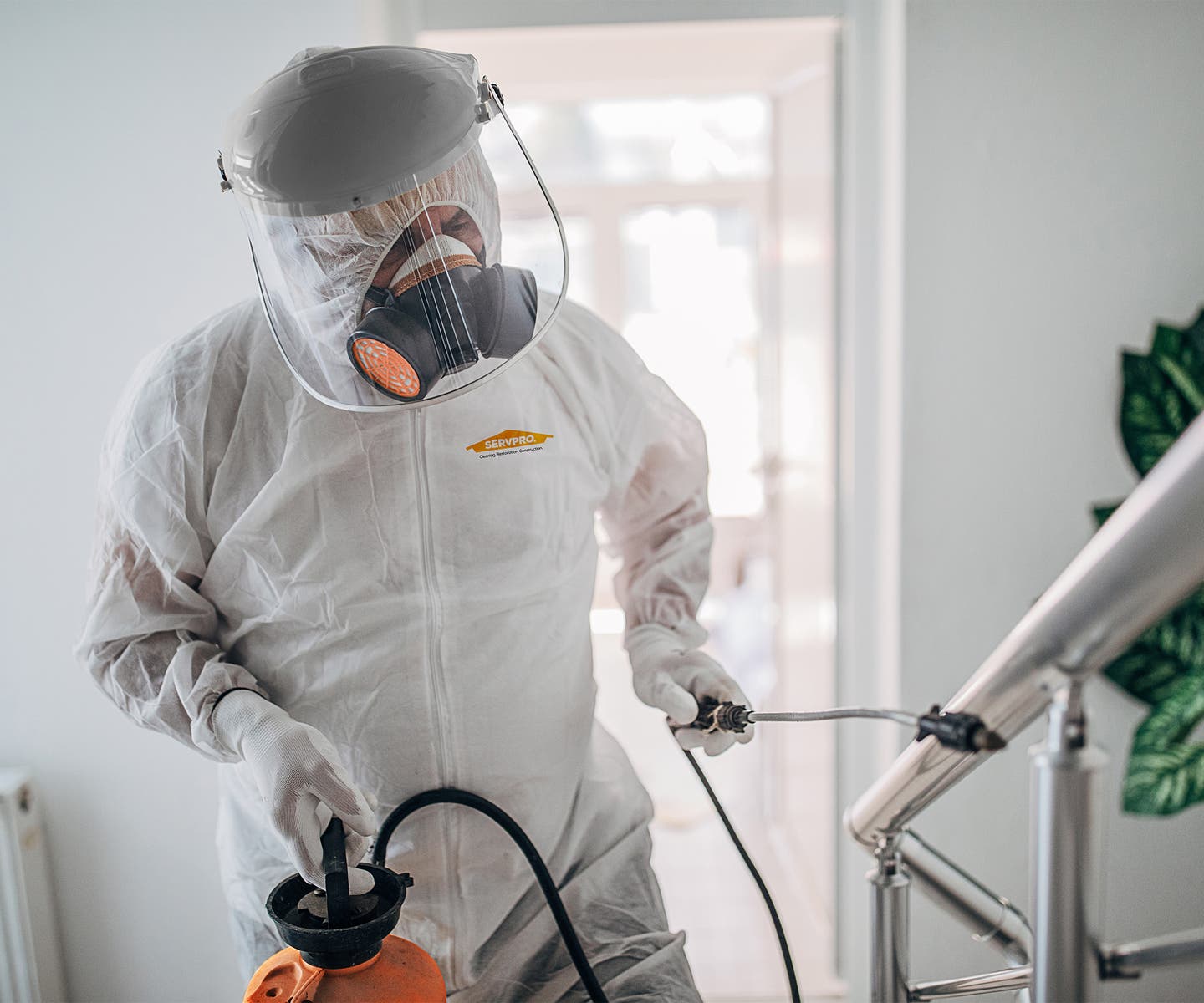
Standard biohazard PPE includes: disposable protective suits (Tyvek or similar) covering street clothing; nitrile gloves (double-gloving for additional protection); eye protection (goggles or face shields); and respiratory protection (N95 minimum, P100 or powered air-purifying respirators for high-risk situations). Foot coverings protect shoes from contamination.
Enhanced PPE may be required for situations involving: significant aerosol potential; unknown pathogen risks; decomposition with strong odor; or confined space work. Full face respirators, supplied air systems, or other specialized equipment provides appropriate protection.
PPE donning and doffing procedures prevent self-contamination. Workers are trained in proper sequence: hand hygiene, suit donning, boot covers, gloves, eye protection, and respirator. Doffing follows strict sequence removing most contaminated items first, with hand hygiene between steps. Contaminated PPE is disposed as medical waste.
For Dallas biohazard providers, PPE compliance protects workers while demonstrating professionalism that reassures clients.
- -Appropriate PPE selection by risk level
- -Disposable protective suits and gloves
- -Eye and respiratory protection
- -Proper donning and doffing training
- -Contaminated PPE disposal
Documentation and Regulatory Reporting
Biohazard cleanup generates documentation serving multiple purposes: regulatory compliance, insurance claims, liability protection, and property records. Professional services provide comprehensive documentation packages.
Required documentation includes: incident reports describing the situation and response; photos before, during, and after remediation (respecting privacy and dignity); waste manifests tracking regulated medical waste disposal; decontamination verification including testing results; and certificates of completion confirming proper remediation.
Insurance coordination assistance helps clients navigate claims for covered situations. Documentation supports coverage by demonstrating professional response and proper expenditure. Direct insurance billing may be available.
Regulatory reporting obligations vary by situation. Certain incidents require reporting to public health authorities, OSHA, or environmental agencies. Professional services understand these requirements and ensure appropriate reporting.
For Dallas commercial properties, thorough documentation protects against future liability claims and supports property value by maintaining records of proper remediation. Clients receive complete documentation packages for their records and any necessary submissions.
- -Comprehensive incident documentation
- -Photo evidence with privacy protection
- -Waste disposal manifests
- -Decontamination verification
- -Insurance claim support
Frequently Asked Questions
Are your technicians certified for biohazard cleanup?
Yes, professional biohazard cleanup technicians hold multiple certifications ensuring proper training and competence. Required certifications typically include: OSHA Bloodborne Pathogens training (29 CFR 1910.1030); Personal Protective Equipment training; Hazard Communication Standard compliance; and specialized biohazard remediation training from organizations like the American Bio-Recovery Association (ABRA) or similar. Additional certifications may include: HAZWOPER (Hazardous Waste Operations and Emergency Response); Trauma scene remediation; and Crime scene cleanup protocols. Technicians receive both classroom and hands-on training covering safety procedures, decontamination techniques, odor removal, and regulatory compliance. Continuing education maintains certification currency as standards evolve. When selecting a biohazard cleanup provider, request certification documentation and verify credentials. Reputable companies employ only properly trained and certified technicians for biohazard work.
How quickly can you respond to emergency cleanup needs?
Professional biohazard cleanup services understand that rapid response is critical for health protection, odor prevention, and property preservation. Most reputable providers offer 24/7/365 emergency response with technicians typically arriving within 1-4 hours of initial contact. Response time depends on: situation location within the Dallas metroplex; current call volume; weather and traffic conditions; and required equipment and team size for the specific situation. For law enforcement-related scenes, response may be coordinated with police release of the scene. Initial response includes scene assessment, safety perimeter establishment, and preliminary containment. Full remediation may begin immediately or be scheduled based on complexity and client preferences. Emergency hotlines ensure immediate contact regardless of when situations occur. Dallas facilities should identify preferred biohazard providers before needs arise, ensuring rapid contact information access during stressful situations.
What safety protocols do you follow during cleanup?
Safety protocols for biohazard cleanup are comprehensive and strictly enforced, protecting both technicians and building occupants. Core safety elements include: OSHA Bloodborne Pathogens Standard compliance including exposure control plans; proper PPE donning before entering contaminated zones including suits, gloves, eye protection, and respirators as needed; scene containment preventing cross-contamination to unaffected areas; engineering controls including proper ventilation and negative air pressure when appropriate; safe work practices preventing aerosol generation, sharp injuries, and exposure incidents; decontamination stations for equipment and personnel exiting the work zone; and proper waste handling and disposal procedures. Site-specific safety assessments identify unique hazards including structural concerns, electrical hazards, or confined spaces. Communication protocols maintain coordination between team members. Emergency procedures address any exposure incidents immediately. For Dallas clients, observing these protocols in action demonstrates the professionalism that distinguishes certified providers from untrained cleaners.
Is biohazard cleanup covered by insurance?
Biohazard cleanup coverage varies by insurance policy type and specific circumstances. Homeowners insurance typically covers biohazard cleanup related to sudden, accidental events including: trauma scenes in the home; accidental injuries resulting in blood spillage; and some unattended death situations. Coverage may be subject to deductibles and policy limits. Commercial property insurance may cover business-related biohazard situations including workplace accidents and crime scenes. Auto insurance covers vehicle biohazard cleanup following accidents. Specific biohazard cleanup riders are available for enhanced coverage. Situations that may not be covered include: intentional acts; contamination from illegal activities (with potential exceptions); and situations involving policy exclusions. Professional cleanup companies work directly with insurance carriers, providing documentation and estimates to facilitate claims. Many providers offer direct insurance billing, eliminating upfront client payment. For Dallas property owners, reviewing insurance coverage before incidents occur ensures understanding of potential coverage and limitations.
How do you ensure complete decontamination?
Complete decontamination assurance involves multiple verification methods beyond visible cleaning. The process includes: systematic area division ensuring no zones are overlooked; multiple disinfectant applications with proper dwell times; removal of porous materials that cannot be adequately cleaned; penetration of disinfectants into crevices, pores, and behind removed materials; and verification testing using ATP bioluminescence measuring organic material remaining on surfaces (reduction to background levels indicates adequate decontamination). Technicians are trained to identify hidden contamination including seepage beneath flooring, into wall cavities, or through cracks. All affected materials are addressed regardless of visibility. Professional protocols require treating a wider area than visibly affected to ensure complete pathogen elimination. Final walkthrough with supervisory review confirms completion standards are met. Documentation including test results provides objective evidence of decontamination adequacy. For Dallas clients, this comprehensive approach ensures that spaces are truly safe for return to use, not merely visibly clean.
Service Areas
We proudly serve businesses throughout the Dallas-Fort Worth metroplex, including: